Stress, Coping, Resilience, and Trauma Literacy
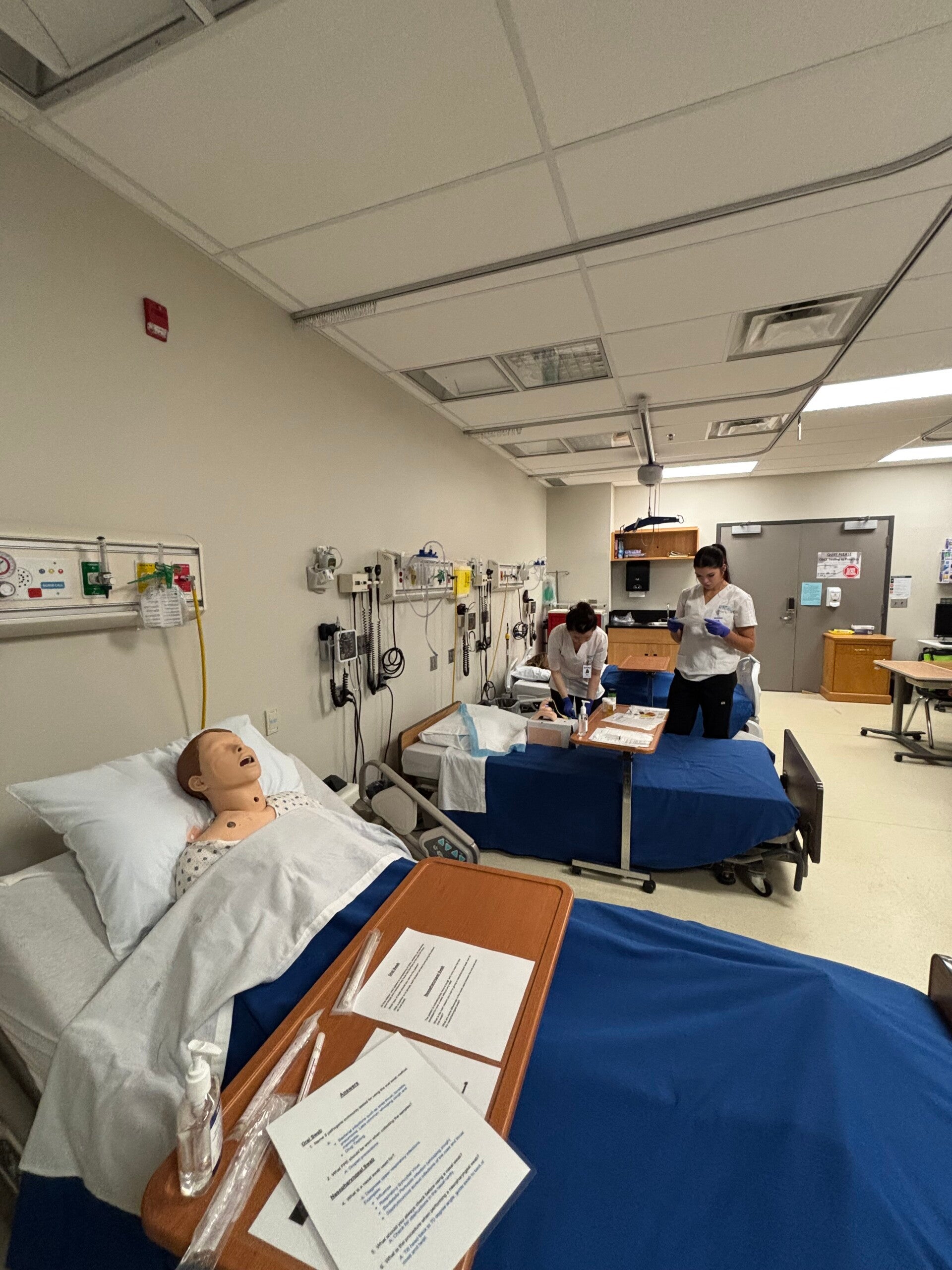
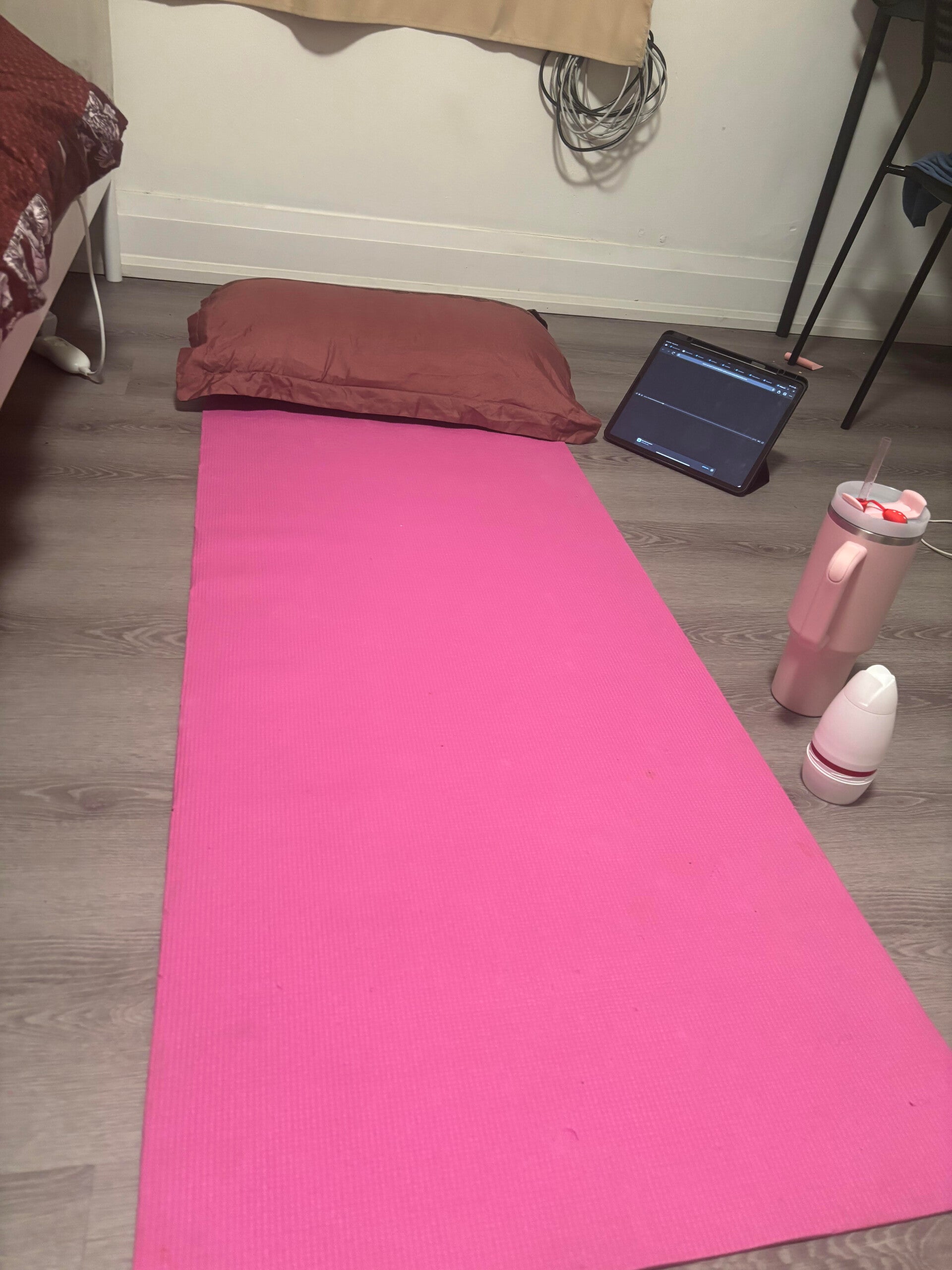
I have added two photos as artifacts: the first shows a clinical setting, one that might cause pressure or stress for me and the importance of staying calm in such situations; the second is a relaxation setting, one that has helped me in many stressful weeks.
This topic helped me understand why I sometimes react in specific ways under pressure. Viewing stress through the nervous system's lens validated my reactions, replacing embarrassment with understanding. The explanation of fast sympathetic activation and the slower HPA stress response clarified why prolonged pressure leaves me wired, tired, and emotionally sensitive (Astle et al., 2024; McEwen, 2020). Understanding the body's responses helps to better manage stress, leading to improved well-being.
Polyvagal patterns like fight, flight, freeze, and fawn were particularly insightful. Recognizing my tendency to people-please under pressure as a biological response, rather than a flaw, was transformative. Research indicates nursing students often default to fawn or freeze under stress due to evaluation pressure and steep hierarchies (Kim & Park, 2022). This normalization allowed me to extend myself grace and compassion, understanding my reactions in a new light.
Understanding trauma as an internal bodily experience, rather than just "something bad that happened," deepened my perspective. The work of Nadine Burke Harris and Gabor Maté highlighted how unprocessed stress and ACEs can impact long-term health, immune function, and emotional regulation (Burke Harris, 2018; Maté, 2021). This realization transformed my understanding of both myself and future patients, emphasizing the importance of trauma-informed care.
Personally, grounding practices like longer exhale breathing, nature connection, and short body scans help me regulate when I feel myself spiraling. Research supports that these micro-regulation strategies reduce physiological arousal and increase emotional stability in nursing students (Thomas & Revell, 2023). Professionally, this topic is essential because trauma-informed care teaches nurses to interpret behavior through compassion rather than judgment. Instead of asking “what is wrong with this patient,” we learn to ask “what has happened to them” and “what is happening inside them.”